From Uttarakhand to Cannes: A Filmmaker's Journey of Faith and Storytelling
1. "Pahadon ki Goonj" explores themes of yearning and homecoming. How did you approach these themes in your storytelling?
The idea for Pahadon ki Goonj was born during the lockdown when stories of people returning to their hometowns deeply moved me and millions across the country. We wanted the film to feel authentic, so we shot in Uttarakhand and used real locations instead of sets. Our cast, crew, and technicians worked hard to maintain realism, with actors even using their own costumes. Although we did not have a big star cast, we believed that the script was the true star of the film. The soulful music by Anjan Negi further enhanced the emotional journey of homecoming and belonging.
2. What personal experiences or observations influenced the narrative of "Pahadon ki Goonj"?

The story felt very personal to me because I returned to India after spending two years in Canada pursuing work and residency opportunities. Coming back home brought me a sense of comfort, happiness, and purpose. Much like the film's protagonist, I experienced the emotions of reconnecting with my roots. This personal journey helped me connect deeply with the script and inspired us to create a story that felt raw, honest, and reflective of real-life experiences.
3. Your directorial debut "Mukhwa" was showcased at the 79th Cannes Marché du Film. Can you describe the experience of presenting your work on such an international platform?
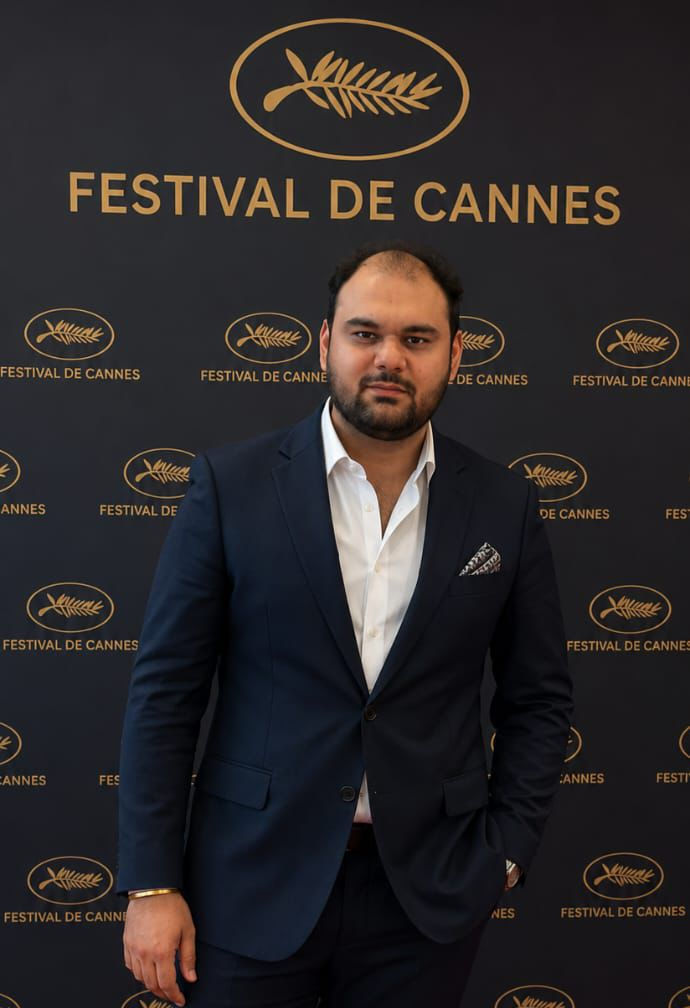
When we received the news in April 2026 that Mukhwa would be screened at the 79th Cannes Marché du Film, it felt like a dream come true. The support and congratulatory messages we received from around the world were overwhelming. Seeing our film presented on an international platform alongside respected filmmakers was an emotional and unforgettable experience. I am grateful for the support of Vikrant More, my mother and co-producer Madhu Kapoor, and the blessings of Siya Ram that helped make this journey possible.
4. How did the cultural backdrop of the story in "Pahadon ki Goonj" influence the film’s visual and auditory elements?
The cultural setting played a major role in shaping the film's visual and auditory style. We used high-quality, OTT-approved camera equipment to capture the beauty and authenticity of the region. During post-production, we used DaVinci Resolve to create a natural and immersive cinematic experience. Every creative decision—from the locations and cinematography to the music and editing—was made to preserve the realism and emotional depth of the story.
5. During the special podcast session at the festival, what were some of the key points you discussed, and how did the audience respond?
During the podcast session, I spoke about the history and significance of Mukhwa village, as many people were unfamiliar with its cultural importance. I also shared some of the fascinating stories we discovered while making the documentary. The audience showed great interest, and many later told me they wanted to visit Mukhwa themselves. Discussions around Pahadon ki Goonj also encouraged people to share their own experiences of migration and returning home. Film students were particularly interested in learning about our camera techniques, editing process, and visual storytelling approach, which led to engaging and inspiring conversations.


Comments